Smartphone Price in Nepal: Why It Is Higher Than India
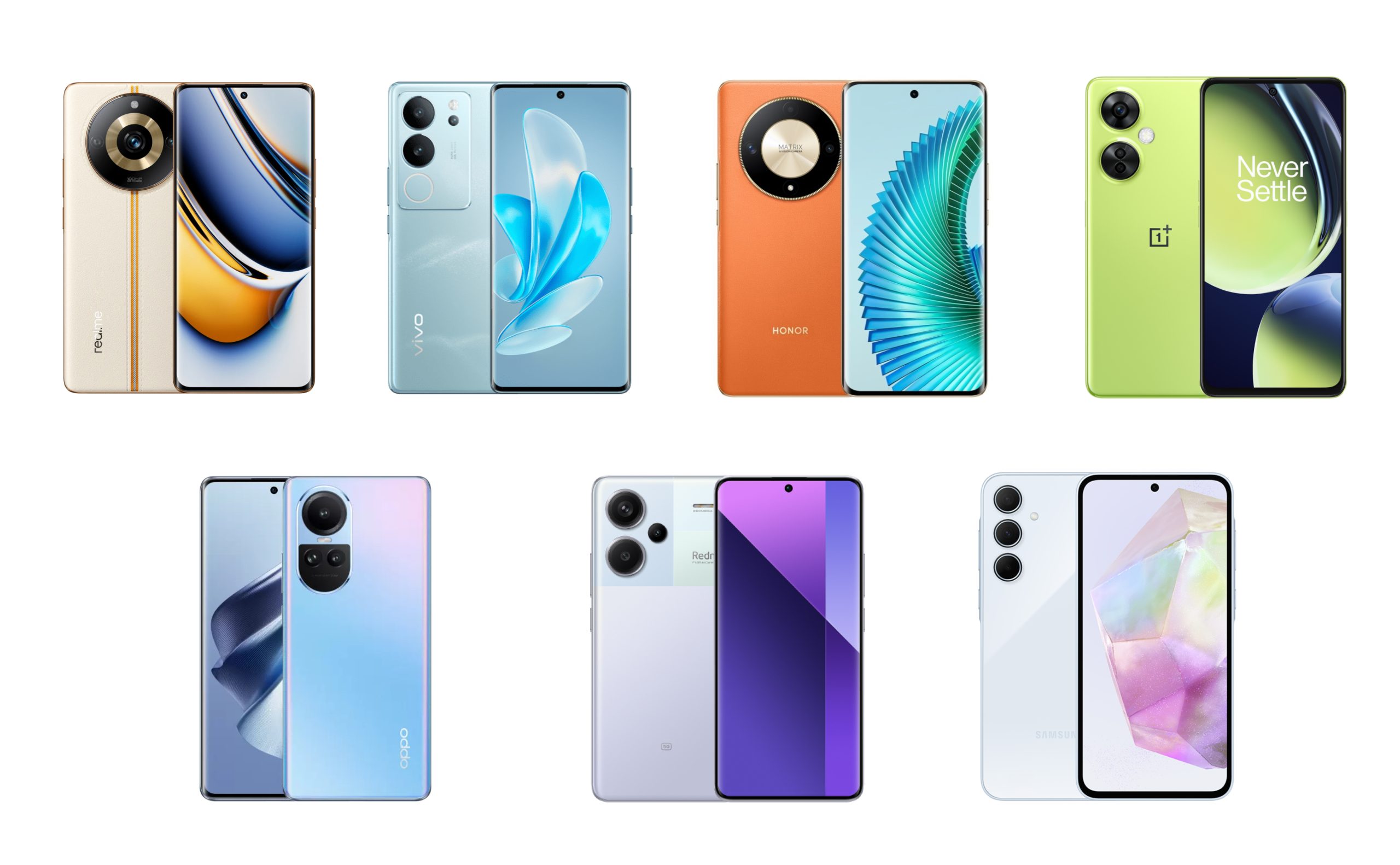
Finding a fair smartphone price in nepal can feel like an absolute battle for tech consumers. Every single time a major smartphone brand drops a new mid-range killer or a flagship device in India, the Nepali tech community goes into overdrive. We watch Indian tech YouTubers show off aggressive pricing, insane launch offers, and top-tier specifications.
Then, we wait. And we wait.
When that phone finally crosses the border into New Road or lands on Daraz, something feels completely off. Either the price tag has suffered a massive, unreasonable spike, the coolest color options are missing, or worst of all—the brand has quietly swapped out the processor or downgraded the camera specs for our market.
Why does this happen? Is it just local distributors being greedy, or is something deeper happening behind the scenes of global supply chains? Let’s pull back the curtain on why smartphone brands treat Nepal as a secondary tier compared to India.
The Logistics Nightmare
To global smartphone giants like Xiaomi, Samsung, Vivo, or Realme, Nepal isn’t treated as a standalone tech hub. Instead, our market is structurally clubbed under regional umbrellas—often managed as a sub-territory of a larger regional division.
When factories roll out new inventory, smartphones ship by the millions to massive economies like India. Nepal, on the other hand, plays in the thousands. Because of this scale difference, our National Distributors (NDs) don’t get direct priority from the main factories. Instead, they have to source specific Stock Keeping Units (SKUs) that have been allocated for our region.
If a specific variant (like a high-tier 12GB RAM version or a limited-edition color) isn’t explicitly assigned to our regional supply bucket, local distributors literally cannot buy it, leaving Nepali consumers stuck with lower-tier configurations.
Also Check: The Ultimate Redmi Note 15 Plus Review
The Spec-Swap Trap (4G vs. 5G and Chipset Downgrades)
Have you ever noticed how a phone launched with a powerful MediaTek Dimensity or Snapdragon 5G chip in India suddenly arrives in Nepal with a 4G-only Helio processor?
[Global Factory] ──> High-Volume 5G Supply ──> India Market (Millions of Units)
└──> Lower-Tier 4G/Modified SKU ──> Nepal Market (Thousands of Units)
Manufacturers tailor their hardware designs according to the level of infrastructure preparedness and affordability of a country. Since Nepal’s progress in implementing the 5G service is relatively slower than India, where the service is being aggressively introduced nationwide, brands study our market trends and make an informed business decision that:
“Why ship an expensive 5G modem chip to a region where a huge percentage of the consumer base is still reliant on 4G networks?”
The reason for keeping prices acceptable in light of local obstacles to imports is that companies deliberately downsize certain parts, such as opting for a macro camera instead of a very wide one or using a lower-grade processor instead.
The Power of “Make in India” vs. 100% Raw Imports
Here lies the genesis of the huge price difference between the two countries. India is not just an importer of phones but is also a manufacturer of them. Thanks to aggressive subsidies by the government as well as through the “Make in India” policy, the manufacturers of smartphones produce the phone in bulk within the country itself.
| Feature / Factor | India Smartphone Market | Nepal Smartphone Market |
| Manufacturing | Local Assembly Plants & Factories | 100% Import Reliance (No Local Assembly) |
| Government Policy | High Subsidies & Production Incentives | High Customs, Excise Duties & VAT |
| Shipping & Logistics | Direct In-Country Supply Chains | Reliance on Ocean/Air Cargo Transit |
| Market Volume | Massive Economies of Scale (Millions of Units) | Small Volume Shipments (Thousands of Units) |
| Retail Ecosystem | Direct Brand-to-Consumer / E-commerce Hubs | Tiered Middlemen Layers & Physical Retailers |
There are no facilities in Nepal for the assembling of smartphones. All the phones that we sell from our mobile centers are imported as finished goods. The moment you take into consideration the cost incurred during transportation by air or road, the cost that accrues during the clearing process at customs, and then VAT and excise duty, the base price has been substantially increased already.
The Multi-Layer Middleman Structure
Because international brands rarely set up direct, company-owned retail operations or official corporate flagship stores in Nepal, the distribution network relies heavily on a traditional cascading hierarchy:
| Supply Chain Tier | Primary Role & Function in the Market |
| 1. International Brand |
Example: Xiaomi, Samsung, Vivo HQ Handles global manufacturing, assigns hardware specs, and decides regional inventory allocations. |
| 2. National Distributor (ND) |
Example: Vatsal Impex / Teletalk in Nepal Purchases high-volume bulk inventory from the brand, clears customs, and handles nationwide marketing. |
| 3. Regional Distributor (RD) | Manages wholesale distribution for specific zones (e.g., Bagmati province, Pokhara region, Terai belt). |
| 4. Wholesale Hub | Supplies physical stock to hundreds of scattered retail shops and local mobile markets in bulk numbers. |
| 5. Local Retailer / Mobile Store | The Final Stop: The local shop in New Road, Tamrakar Complex, or an e-commerce storefront where the end consumer buys the phone. |
Each and every link of this chain needs to allocate a certain percentage of profit as compensation for their independent logistics and marketing expenses, such as the huge outdoor banners displayed in local market areas. On the other hand, in countries such as India, the great bulk of smartphones is purchased through direct electronic commerce deals with online platforms like Amazon and Flipkart. Despite the rapid growth of e-commerce platforms in Nepal, most Nepalese customers prefer the traditional way of shopping that allows them to touch and feel the product, thus leaving the entire middleman chain functional.
Check Out : Starlink In Nepal
The Bottom Line
Nepal’s international brand image represents an active populace yearning for technology, who are sadly limited by low market volumes, a complicated import process, and unique geographical factors.
It will be impossible to see early product launches, localized hardware devices, and price schemes that are different from our neighboring nations until such a time as we have high market volumes demanding their own stream of products or our local assembly programs gain momentum.


Post Comment